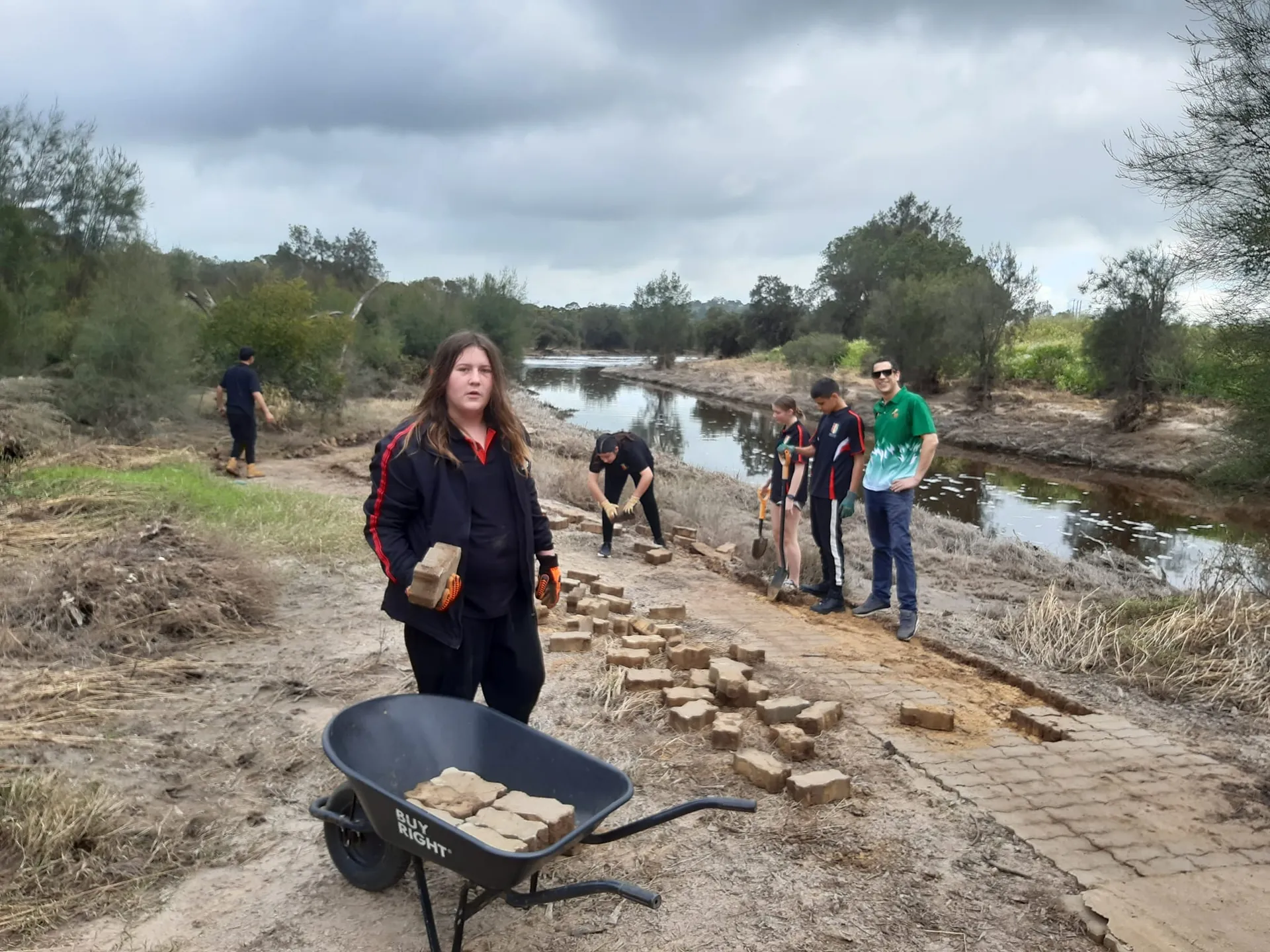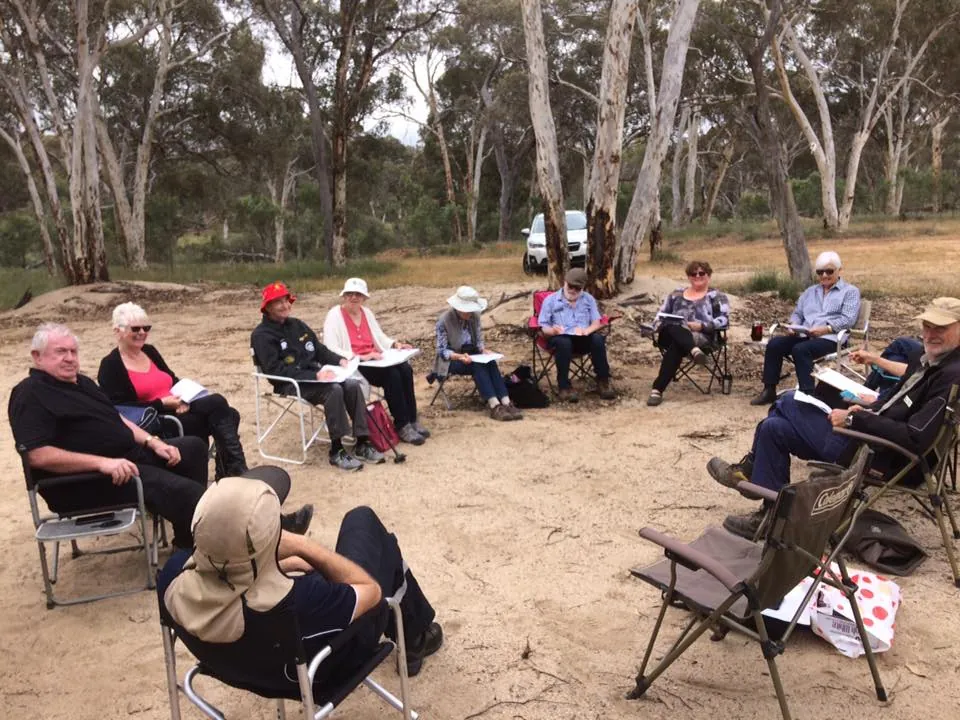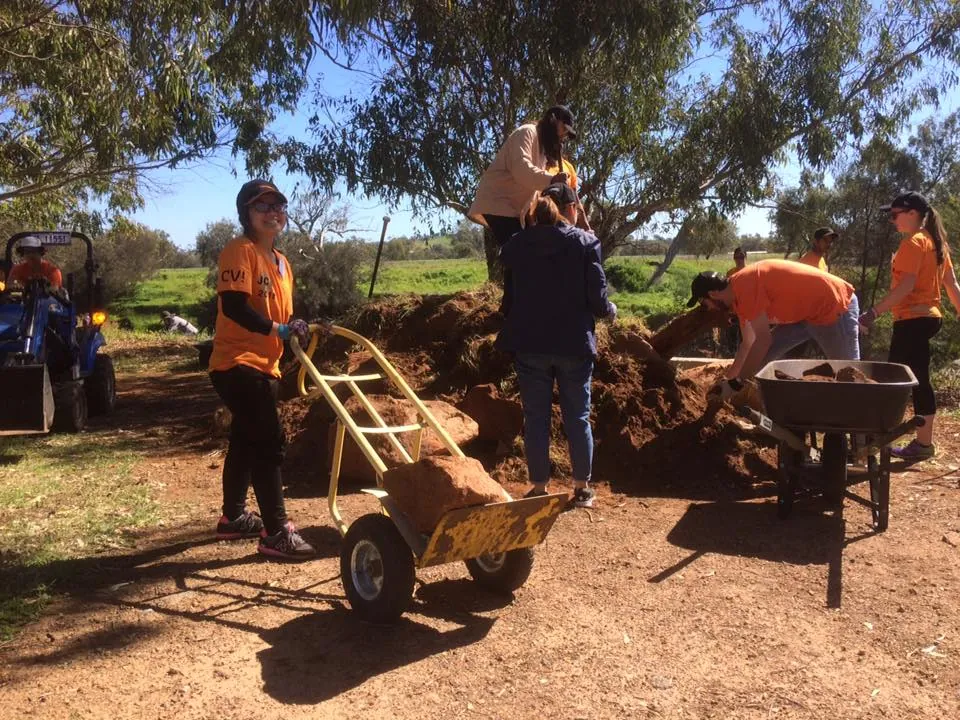
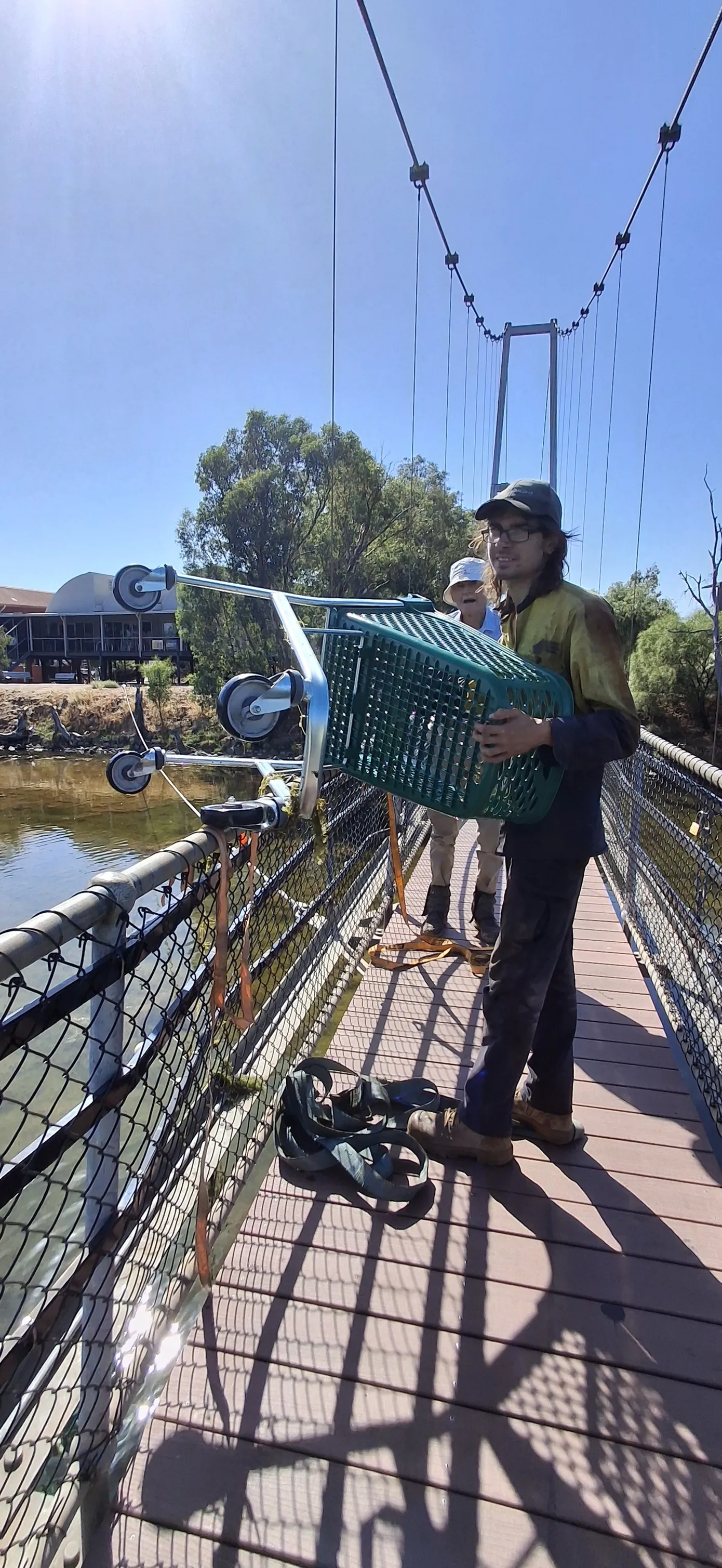
At member busy bees, a small insured group gathers by the river with tools in hand, ready to tackle practical conservation work. It's not glamorous, but it's the core of what AVES has been about since we started back in 1991: hands in the dirt, making a difference one patch at a time.
We start with the invaders—those stubborn weeds that choke out the natives and heighten fire risks. Pulling them up isn't just about clearing space; it's about giving the local plants a fighting chance. Then comes the mulching, which locks in moisture and builds healthier soil over time.
Nurturing New Growth
Planting is where the magic happens. We select shrubs and trees native to the Wheatbelt, like those that stabilize the banks and provide homes for birds and insects. Last season, we focused on areas hit hard by drought, watching those seedlings take root and transform bare spots into thriving habitats.
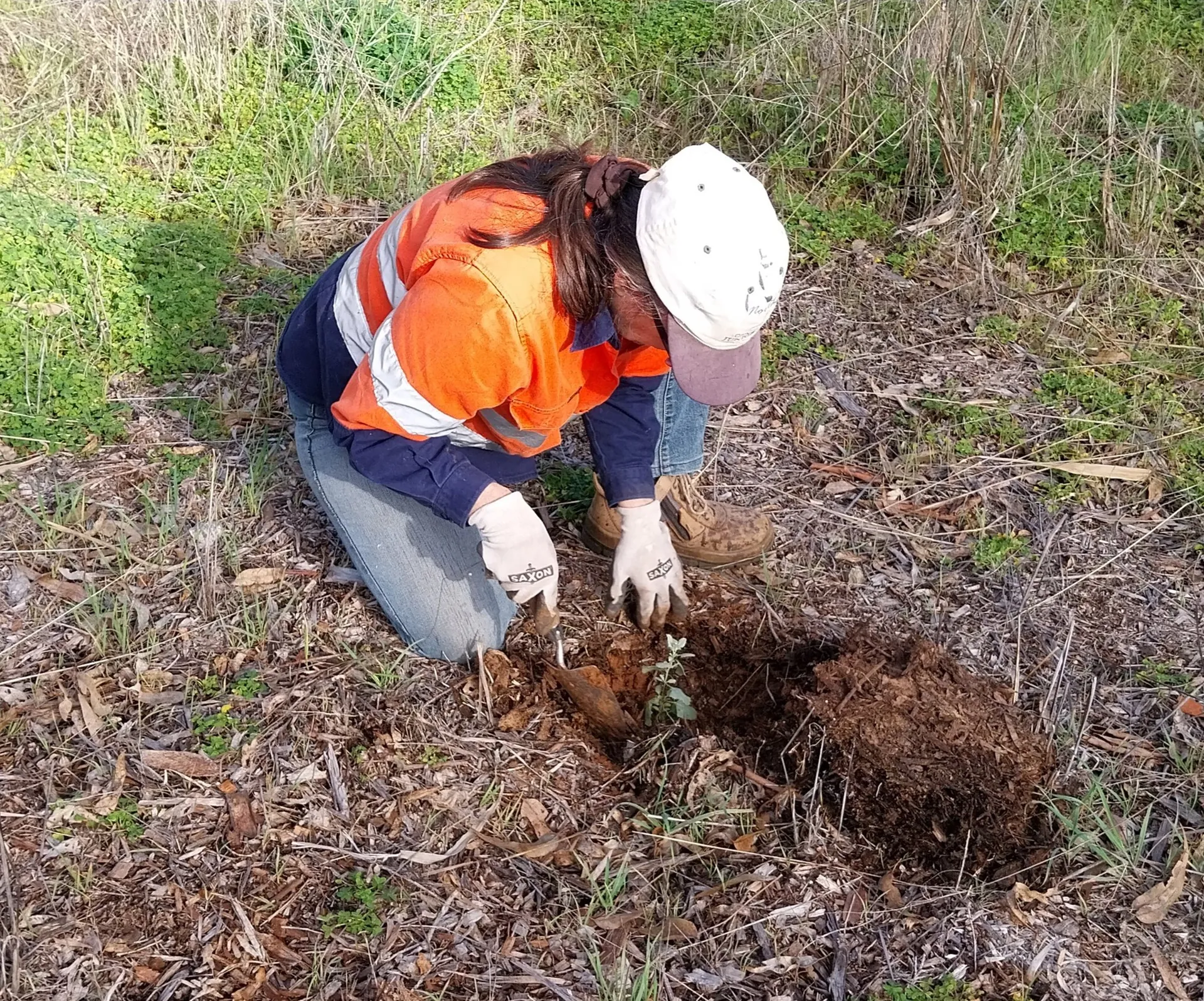
"It's rewarding to see the riverbanks green up after our efforts—proof that small actions add up."